It’s the first week of the month. Your salary just hit your account, but by the time you’ve paid the rent, cleared the grocery bills, and topped up the fuel tank, that comfortable balance has already dwindled. If you feel like you're running on a financial treadmill fast but staying in the same place, you aren't alone.
As of April 2026, the reality of inflation in India is becoming a daily conversation at dinner tables. While the headline numbers might seem manageable, the ground-level inflation is hitting the wallet where it hurts the most.
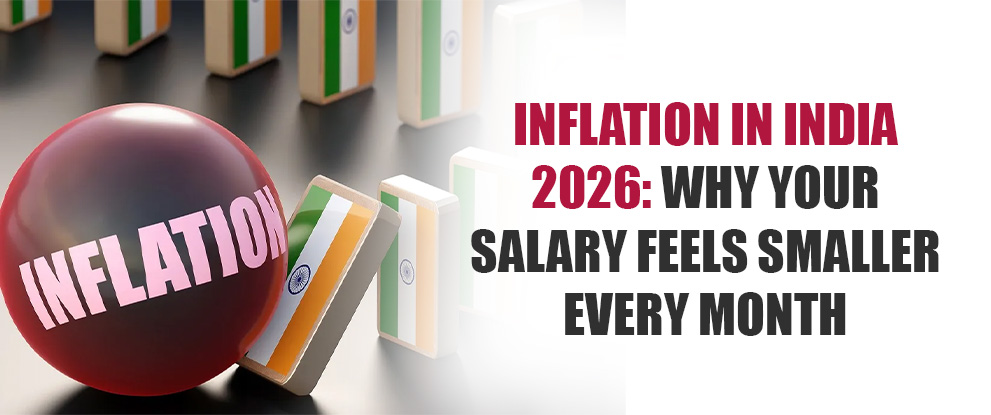
According to the latest data from the Ministry of Statistics and Programme Implementation (MoSPI), India’s Consumer Price Index (CPI) inflation rose to a 12-month high of 3.40% in March 2026. While this is within the RBI's comfort zone, the story lies in the sub-groups:
At first glance, a CPI inflation rate of around 3.40% may not seem alarming. But the truth is very different when you look at your monthly expenses. This is because inflation is not experienced equally across all categories.
Most households spend a larger portion of their income on essentials like food, rent, and fuel, categories where prices are rising faster than the average. For example, food inflation alone stood higher than overall inflation.
This creates what is often called personal inflation, where your actual cost increase feels much higher than the official number.
Not all expenses rise equally, but certain categories are consistently putting pressure on monthly budgets.
Food and Groceries
Even small increases in daily essentials like vegetables, milk, and packaged items add up quickly. Since these are frequent purchases, their impact is felt almost immediately.
Fuel and Transportation
Rising global crude oil prices are pushing fuel costs higher, which also increases transportation and delivery costs across sectors.
Rent and Housing Costs
Housing continues to take up a large portion of income, especially in cities. Even moderate rent increases can significantly affect disposable income.
Services and Lifestyle Expenses
Spending on dining, subscriptions, and personal services is rising steadily. These recurring costs often go unnoticed but reduce savings over time.
Another important factor behind rising expenses is wholesale inflation. In March 2026, WPI inflation reached around 3.88%, the highest in over three years.
While this may seem like a technical indicator, it directly affects consumers. When manufacturers face higher input costs like fuel, raw materials, or logistics, they eventually pass those costs on to customers.
This is why you may notice price increases in everyday products even when retail inflation appears stable.
One of the biggest reasons people feel financially stretched is the mismatch between income growth and expense growth.
Increment vs Expense
Salary hikes are often incremental, while certain expenses like rent or education rise sharply. This reduces the real benefit of income growth.
Fixed Expenses Are Expanding
A larger share of income is now tied to fixed costs such as rent, EMIs, and subscriptions, leaving less room for savings or discretionary spending.
Changing Consumption Patterns
With rising incomes, spending habits also evolve. People opt for convenience, better services, or premium products, which increases monthly expenses gradually.
Inflation is not just an economic concept; it also affects how people perceive their financial situation.
This perception gap is real because everyday spending is concentrated in categories that are rising faster than average inflation.
Over time, inflation can quietly affect long-term financial health.
This makes it important to not just earn more, but also manage money more efficiently.
While inflation cannot be controlled individually, its impact can be managed with better planning.
Small financial adjustments can help reduce the long-term impact of rising costs.
Apart from visible expenses, several underlying factors are contributing to the rising cost of living in India in 2026.
Global Economic Factors
Geopolitical tensions and energy price fluctuations have increased input costs across industries. These costs eventually reach consumers in the form of higher prices.
Supply Chain Costs
Transportation, logistics, and production costs have increased, impacting the pricing of goods and services.
Shift in Consumption Patterns
With digital access and changing lifestyles, spending is becoming more frequent and convenience-driven, which increases overall monthly expenses.
New CPI Basket Changes
2026 is the first full year of the ‘New CPI Series’ (Base 2024=100), which now puts more weight on non-food items like education and health, sectors where costs have seen a steady climb.
The situation of inflation in India in 2026 is not just about what the numbers say, but how they translate into everyday spending. With changing consumption patterns and rising costs across essential categories, managing finances now requires more awareness and planning.
At the same time, access to quick financial solutions has also evolved. For instance, in situations where expenses temporarily exceed monthly budgets, using instant personal loan apps like Loan112, which offers loans up to 1.5 lakh with 10-minute disbursals, can help manage short-term needs efficiently when used carefully.


Apply online for instant emergency loans with quick approval, minimal paperwork, and fast disbursal—when you need funds the most.
Apply online for instant emergency personal loans with Loan112—fast approval, minimal documents, and quick disbursal in Gurgaon.

Looking for urgent cash in Hyderabad? Get instant short-term personal loans in Hyderabad with easy eligibility, fast approval, and online disbursal.
Instant emergency personal loans in Bangalore with a smooth online process, quick approval, and fast online disbursal for urgent financial needs.
Get instant short-term loans in Kolkata without CIBIL score checks, with easy online application, quick approval, and fast fund disbursal.
DEVMUNI LEASING & FINANCE LIMITED (RBI Reg. No.: 8-14.02719) is a Non-Banking Finance Company (NBFC) registered with the Reserve Bank of India (RBI). Loan112 is the brand name under which the company conducts its lending operations and specializes in providing quick and easy access to personal loans to meet customers' instant financial needs.


