Microloans have become a subtle force of change where millions of people have not yet entered into the formal financial system. Usually coupled with the alleviation of poverty, such small loans are no longer only associated with this, as they are starting to be viewed as able to do something greater than alleviating poverty, namely, helping to develop good financial habits. This blog refers to how a microloan can be used strategically in connection with long-run financial inclusion.
Microloans are loans of small amounts with a short duration provided mostly to the low earners/small entrepreneurs who do not have access to the banks. They are of value not only in the loaned amount, but in itself, based on the opportunity it offers. Microloan is not only a financial support, but to a great number of first-time borrowers, it is a way of opening the door to the world of organized money management.
Microloans also contribute to the genesis of trust in formal finance systems, since they allow the borrowers to get a feel of loan cycles, repayment schedule, and financial responsibility. With time, this may enable borrowers to obtain bigger loans, create bank accounts and even create credit histories.
The ability of microloans to foster discipline is also one of the most under-estimated benefits of microloans. The borrowers experience how to stick to payment schedules, set aside money to cover the interests and the principal amount. This progressive habit formation in finances promotes behavior change, it promotes a change of thinking, a change in thinking where now we do not think in terms of survival, we think in terms of planning.
Such behaviors do not only increase the likelihood to pay the loan. They further craft out a platform through which people can utilize to secure stability in the long run. Repayment by the borrower sends the message to the lenders that they are responsible and that increases creditworthiness as well as opens up future financial prospects.
Of course, they can! That is when backed by the education and community programs. Training, mentors or workshops are common add-ons to micro-loans and have the advantage that clients learn about insurance, investment and how to save. This combined strategy means that the loan itself will not only be a transaction, but a learning process.
Once there is adoption of formal finance by the borrowers as they become more confident and comprehend the advantages of using other financial products, they are likely to upvote the other products. It is the maturation of informal to formal finance and this is the essence of financial inclusion. The ripple effect also spreads to the family level and to the community who then develop a culture of financial literacy.
It is a special opportunity of governments and digital lending platforms. This means that by acknowledging that microloans are not just an instrument of emergency credit but also a behavioral change instrument, they will be able to develop policies and digital products that incentivize positive financial behavior.
The ability of microloan data can be used in fintech apps to provide custom products, including goal-oriented savings products or credit-building mechanisms. An incentive to repay microloans can be introduced by the government such as provision of subsidies or access to other services. The effects of the microloans are imposed exponentially when they are viewed as complements of a larger monetary network.
Microloans have become not only the financing of small business, but short-term financing as well. They are habit formers and they add structure, discipline and financial literacy. They open the gates to good behaviors and provide a secret route to long-term financial inclusion with a small but mighty force to change lives.

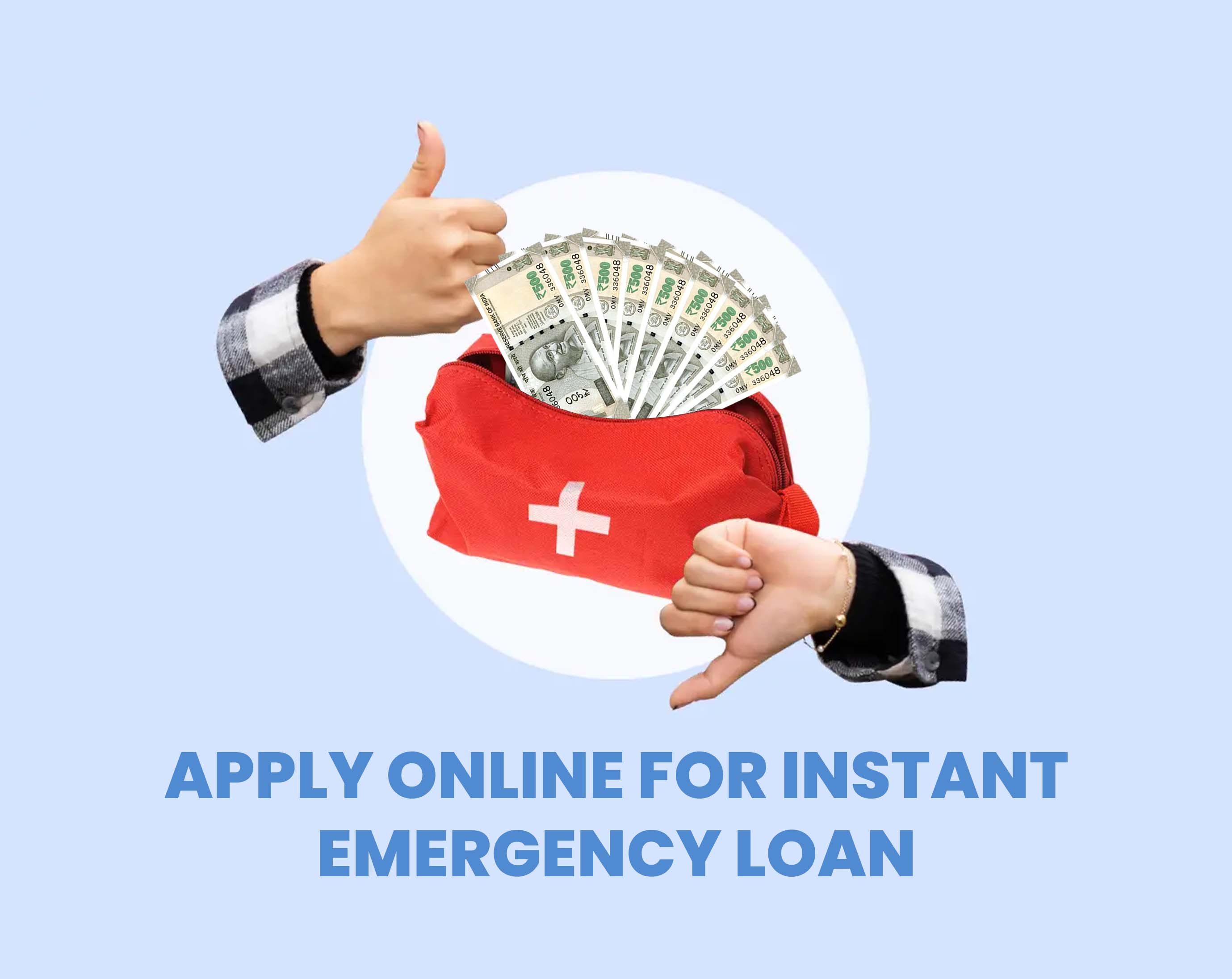
Apply online for instant emergency loans with quick approval, minimal paperwork, and fast disbursal—when you need funds the most.
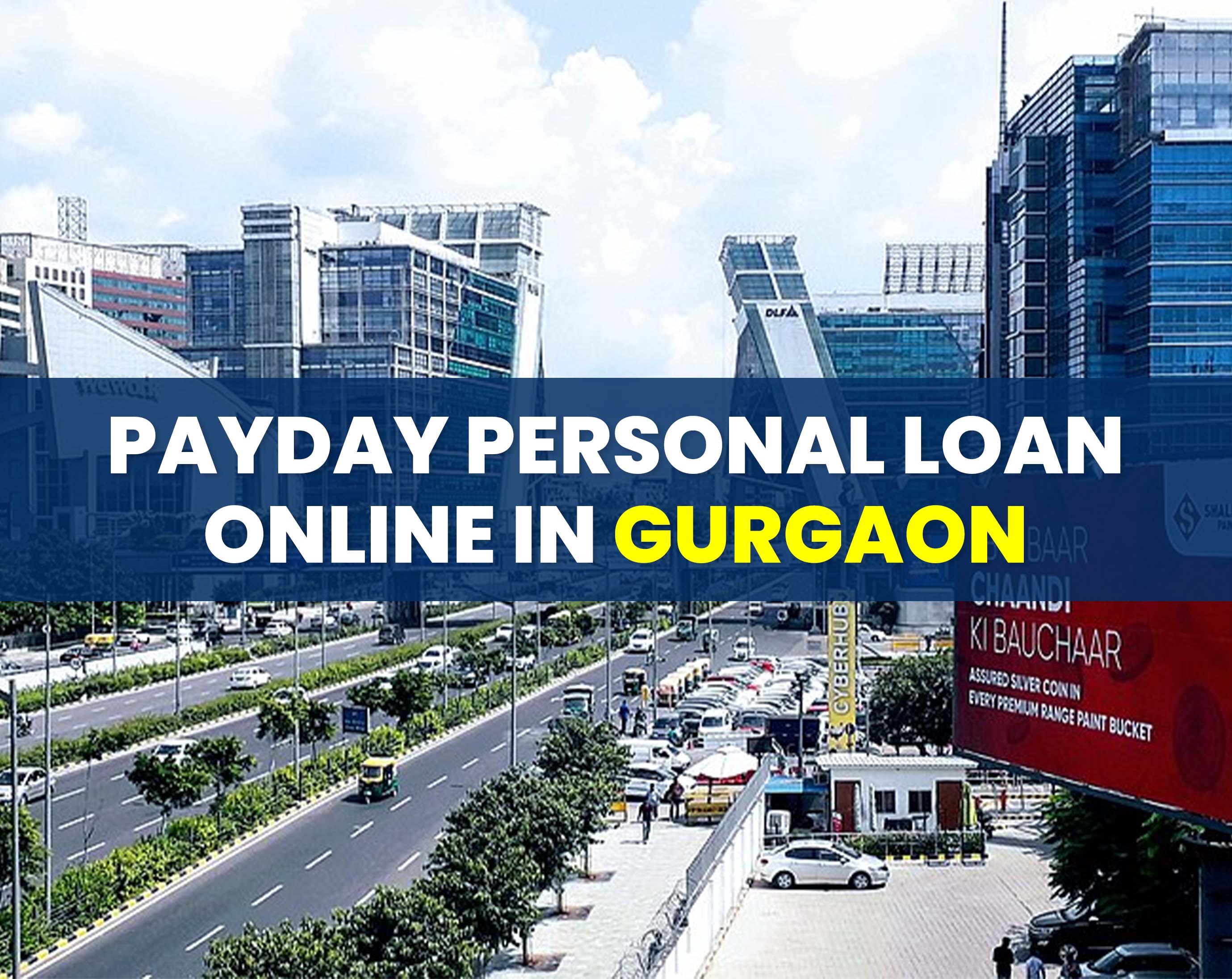
Apply online for instant emergency personal loans with Loan112—fast approval, minimal documents, and quick disbursal in Gurgaon.

Looking for urgent cash in Hyderabad? Get instant short-term personal loans in Hyderabad with easy eligibility, fast approval, and online disbursal.
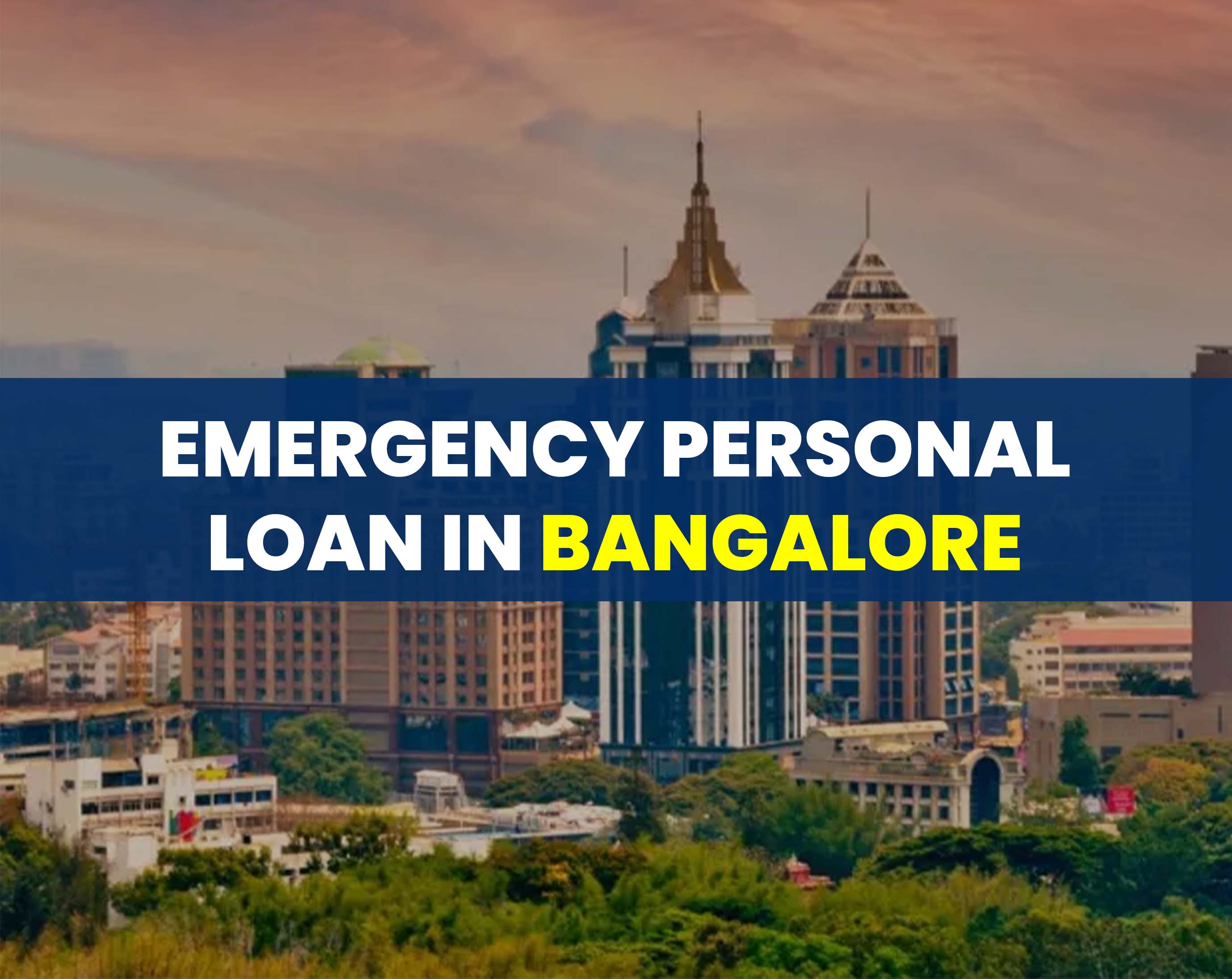
Instant emergency personal loans in Bangalore with a smooth online process, quick approval, and fast online disbursal for urgent financial needs.
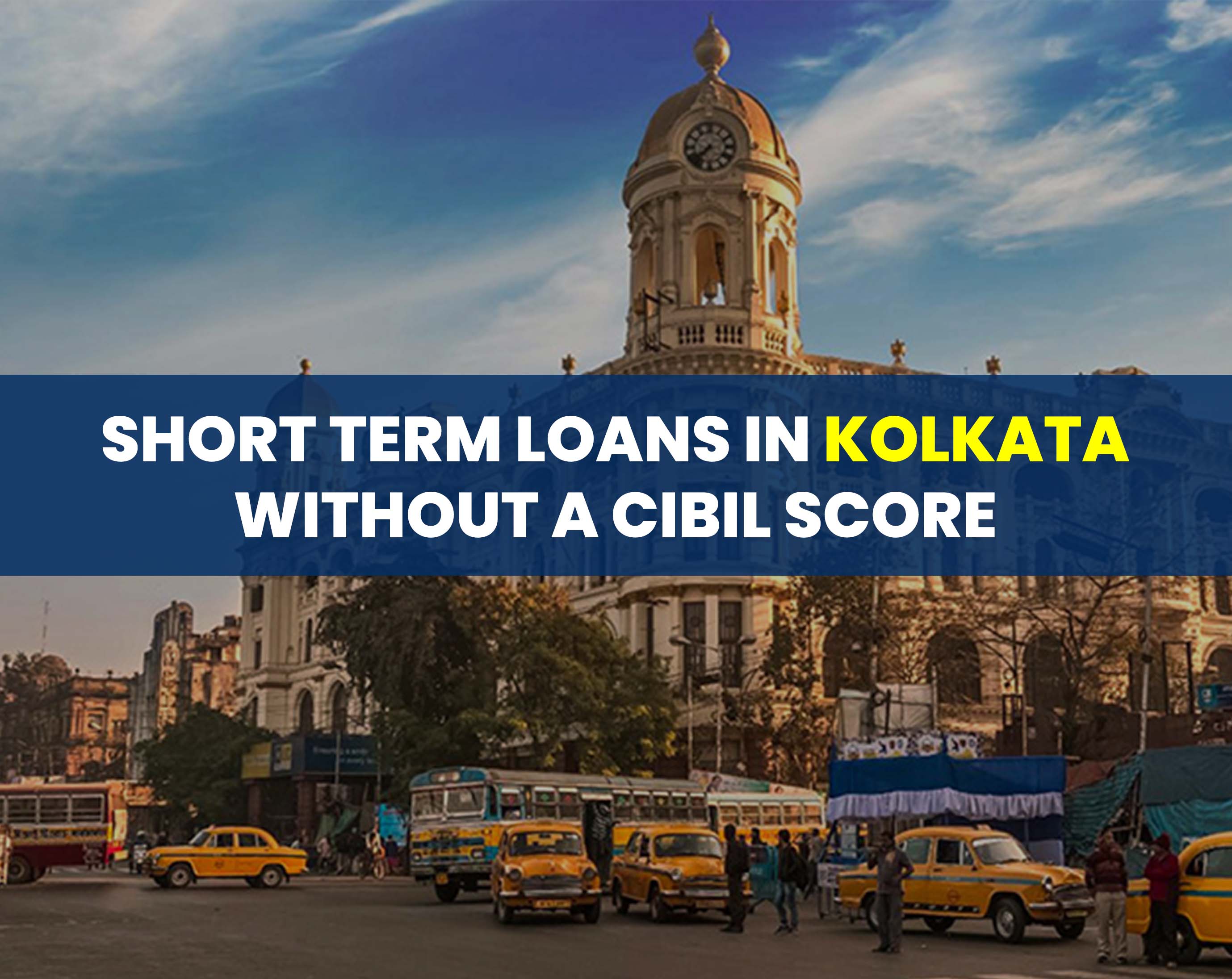
Get instant short-term loans in Kolkata without CIBIL score checks, with easy online application, quick approval, and fast fund disbursal.
DEVMUNI LEASING & FINANCE LIMITED (RBI Reg. No.: 8-14.02719) is a Non-Banking Finance Company (NBFC) registered with the Reserve Bank of India (RBI). Loan112 is the brand name under which the company conducts its lending operations and specializes in providing quick and easy access to personal loans to meet customers' instant financial needs.


